
What SBI means, how to apply it in three steps, and ready-to-use examples for your team.
Giving feedback at work is not just another task; it is one of the most powerful tools for professional growth and for strengthening organizational culture. Yet it is often delivered in a vague or subjective way, which creates confusion or defensiveness. This is where the SBI model comes in.
What is the SBI model?
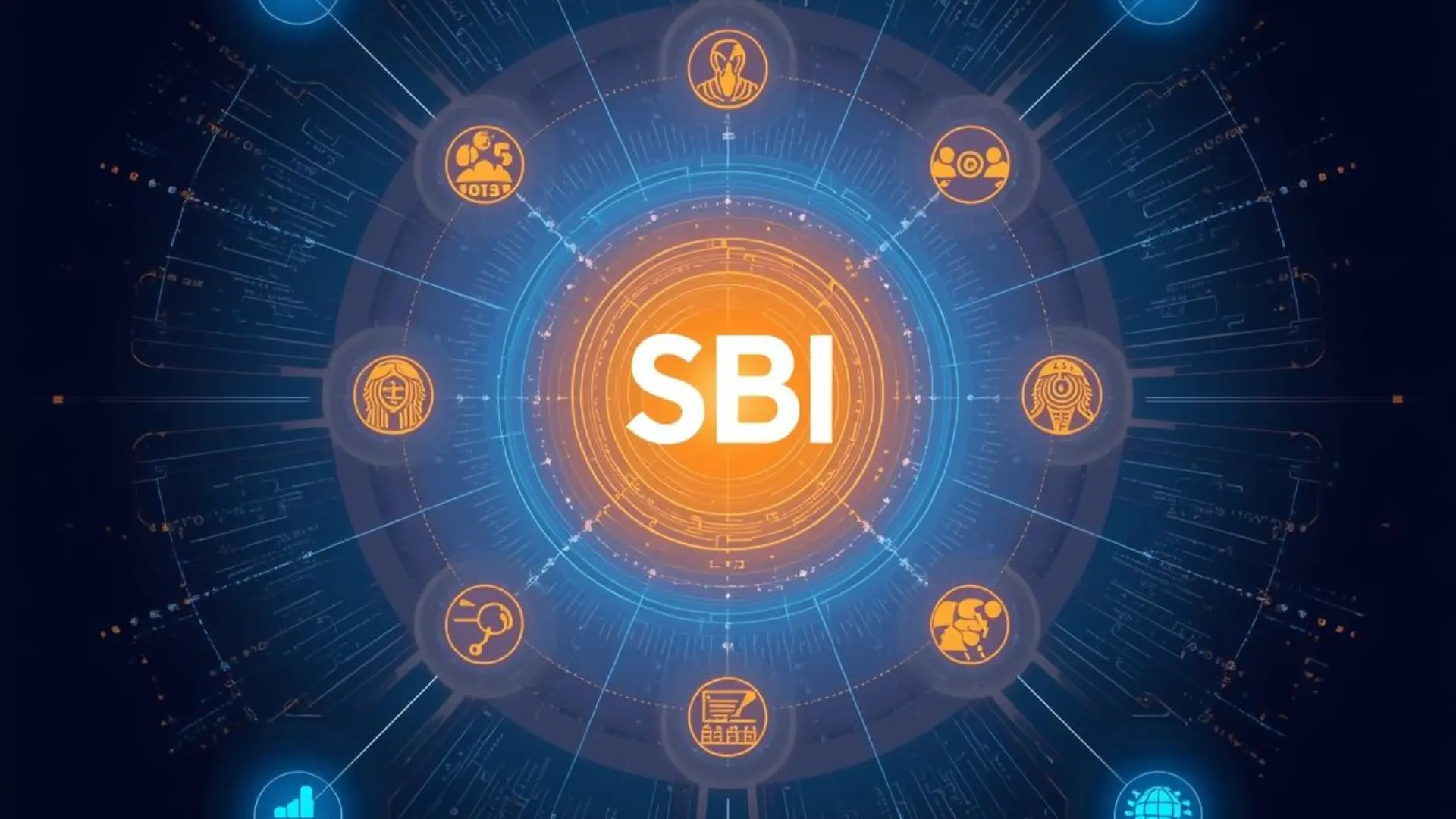
SBI stands for Situation, Behavior and Impact. It is a model developed by the Center for Creative Leadership for giving feedback based on observable facts, not on judgments about the person.
- Situation. Describe the specific context in which the event happened. Be precise about when and where.
- Behavior. Describe the observable action, without judging it. Focus on what you saw, not on what you think the other person was thinking.
- Impact. Explain how that action affected the team, the project or you. Use phrases like “I felt” or “the result was.”
How to apply it in three steps
- Prepare the conversation. Write down the situation, the behavior and the impact before you speak. If you cannot describe the behavior without adjectives, it is not ready yet.
- Talk in private and close to the event. Feedback loses force as time passes; find a quiet space and do it soon.
- Listen and agree on the next step. After the impact, ask how the other person sees it and decide together what will change. SBI opens the conversation; it does not close it.
Practical examples
- Vague feedback: “You are very disorganized in meetings.”
- With SBI: “Yesterday in the planning meeting (Situation), you interrupted your colleagues three times while they were presenting their ideas (Behavior). This made us lose the thread of the discussion and left some people feeling unheard (Impact).”
- To recognize an achievement: “In Thursday’s client presentation (Situation), you answered their objections with project data (Behavior). The client approved the proposal and the team gained confidence for the next stage (Impact).”
- On remote teams: “On yesterday’s follow-up video call (Situation), you did not answer the questions we asked in the chat (Behavior). The team could not tell whether you agreed with the plan and we had to repeat the decision today (Impact).”
SBI works for recognizing as well as for correcting: specific recognition is just as valuable as a correction.
Common mistakes when using SBI
- Judging instead of describing. “You were disrespectful” is an interpretation; “you interrupted three times” is a behavior.
- Talking about who the person “is.” SBI deals with actions, not personality.
- Exaggerating the impact. Describe the real effect, without generalizing with “always” or “never.”
- Staying in monologue mode. Without a question at the end, feedback turns into a sermon.
Benefits of SBI
- It reduces defensiveness by relying on facts.
- It clarifies expectations.
- It encourages personal accountability.
- It strengthens trust between leader and team member.
Conclusion
The SBI model turns feedback from personal criticism into a constructive conversation about facts and consequences. It is a cornerstone of effective leadership.
Giving good feedback is one of the skills that transforms a leader the most. If you want to work on it with support, in Alquimista a senior mentor works with you 1 on 1 to turn tools like this one into habits.